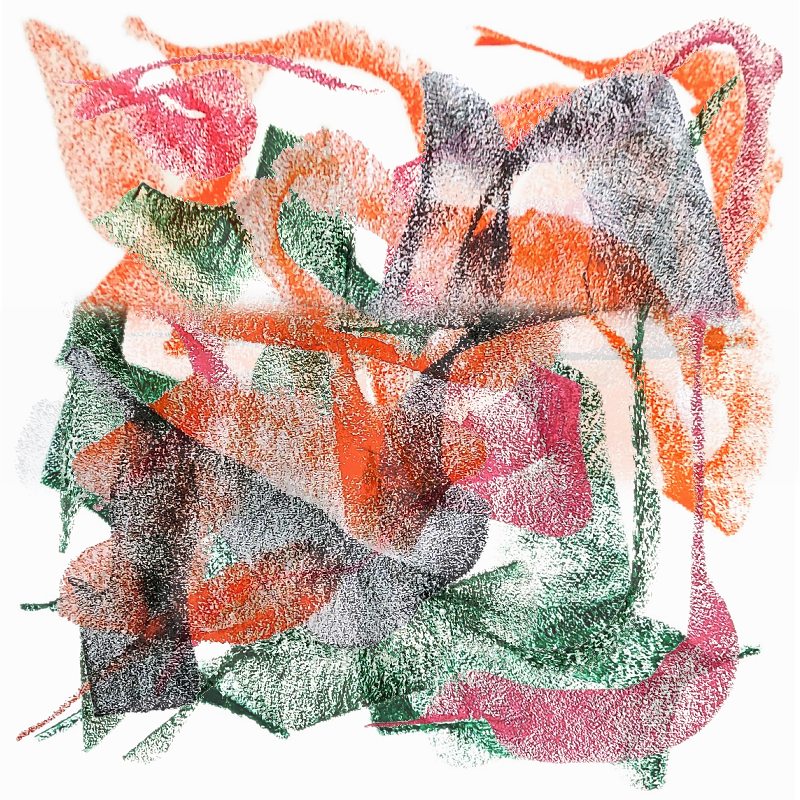
Somacentric Trajectilery
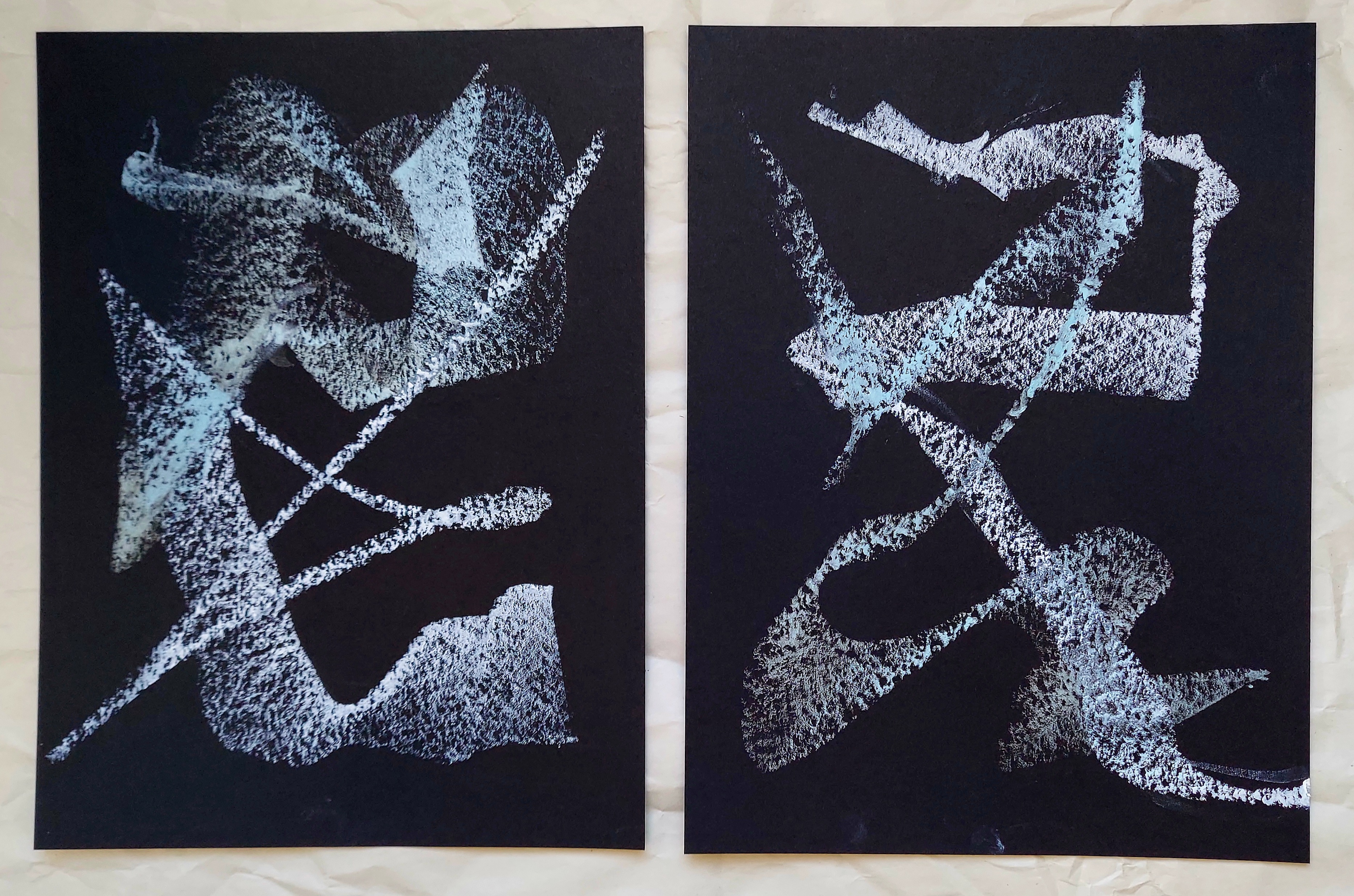
Developed by Viktor Genel in 2026, Somacentric Trajectilery is a branch of Arteanity in which bodily motion reaches material before an image, function, or predetermined trait can be conceived. Stated protocols restrict conscious control while collision, breakage, resistance, and evasion determine the irreversible trace.


Developed by Viktor Genel in 2026, Somacentric Trajectilery is a branch of Arteanity that begins where intention has not yet become design. It is Arteanity’s lightning-fast route toward the hidden essence of things—not by removing an identity after it has been imposed, but by allowing a material event to occur before image, function, style, or any other predetermined trait can take possession of it.
This is not an isolated change of medium. It is the accelerated present of a lifelong inquiry into structural essence and liberation. The lineage begins with an encounter with spatial mechanism in 1981, continues through the 1987 Soviet Certificate of Invention for the metamorphic Puzzle of Puzzles, passes into the dimensional philosophy of The Star and the Sphere, and becomes materially explicit in the objects and installations of Deutilization. Across mechanism, literature, objectry, and bodily trace, the underlying pursuit remains continuous: to reach what a thing possesses beneath - or before - the identities assigned to it.
One pursuit proceeds by two radically different routes. Deutilization begins with a thing already captured by artificial usefulness. It removes or defeats that functional assignment so the thing’s deeper foundational traits can become active. Somacentric Trajectilery begins earlier. It bypasses practical implementation, societal validation, and misdirected use altogether. Creative drivery passes through the body and a marking instrument into the substrate before a predetermined image or trait can be conceived. Deutilization uncovers by subtraction; Somacentric Trajectilery arrives before concealment.
The shortcut is not randomness. Every artifact is produced under a stated protocol that constrains conscious control without prescribing an outcome. Trajectories develop through bodily movement, pressure, contact, and material resistance. When they collide, the encounter may produce penetration, sharp retreat, curved evasion, breakage, interruption, or substrate failure. These are not defects to be corrected toward composition. They are constitutive events recorded by the artifact. A protocol can recur; an event cannot.
The first material declaration occurred on May 28, 2026, with Nameless Number One. That date marks the visible emergence of the discipline, not the beginning of the inquiry behind it. The apparent immediacy of the work is the compression of more than four decades of engagement with geometry, internal tension, transformation, liberation, and the concealed structural intelligence of things.
This archive is the discipline’s evidentiary field. Its Corpora establish bounded material and procedural conditions; its individual Artifact records preserve dates, dimensions, substrates, media, protocols, incidents, and critical commentary. Begin with Genesis—permanently closed after its first five numbered artifacts—then follow Triptych One, Noir, CansonXL, Rubens Jumbo, and the open Numberless corpus as the discipline encounters altered materials, restrictions, collisions, and states of control.
Somacentric Trajectilery enters a field historically associated with gestural abstraction, Action Painting, gestural mark-making, non-objective drawing, and the indexical trace. These provide useful points of comparison, but they do not define the discipline. Somacentric Trajectilery shifts attention from expressive gesture or composed abstraction toward the direct passage of bodily motion into material under stated constraints, before a predetermined image or form can be established.
What follows is not a collection of variations on an abstract style. It is the accumulating record of what can come into existence before conscious control takes possession of it.
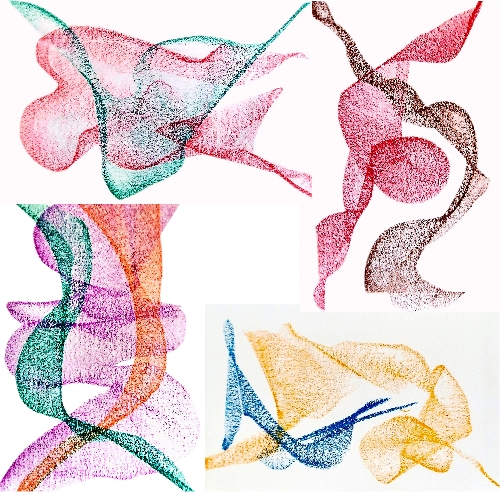
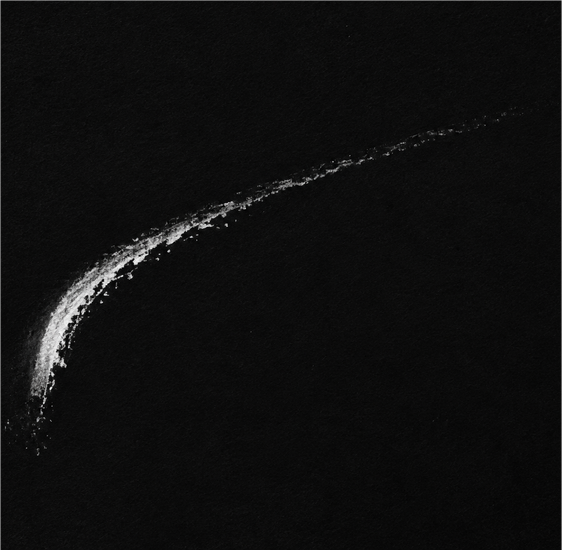
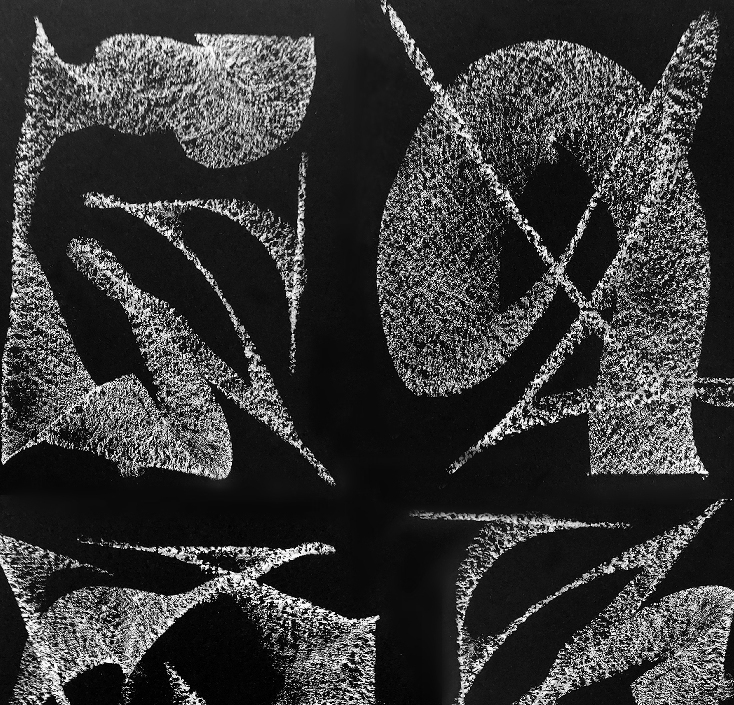






Somacentric Trajectilery may be understood as operating in a preutilitarian interval: bodily motion reaches material before the emerging trace can be assigned an image, function, narrative, compositional purpose, or predetermined trait. In this sense it forms a temporal counterpart to Deutilization. Deutilization releases something after prescribed function has acquired authority; Somacentric Trajectilery acts earlier, preserving the event before such authority can arise. The point is not that intention is meaningless, but that intention need not always arrive first or remain sovereign over the result.