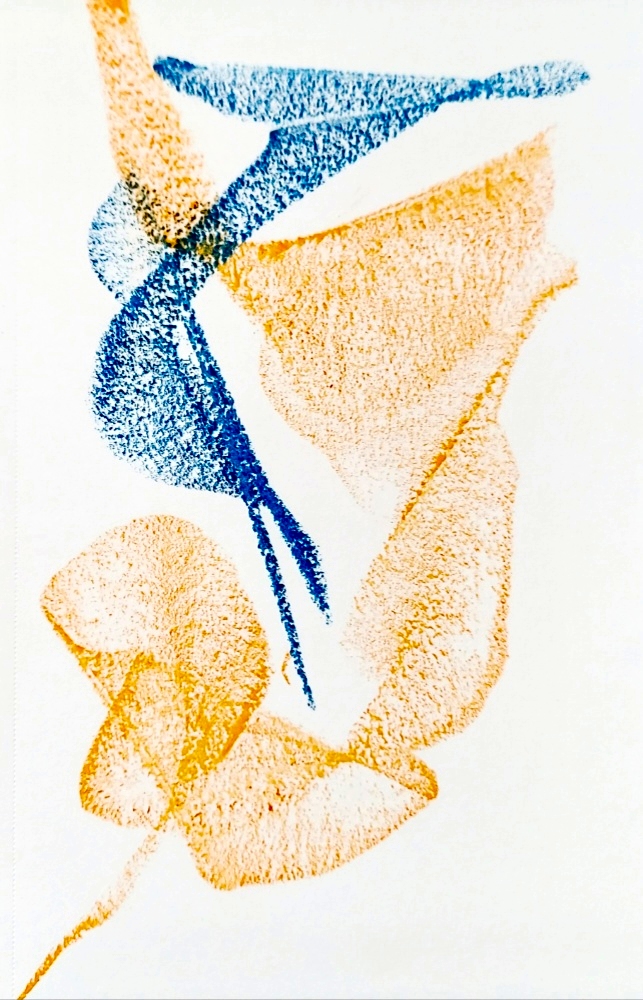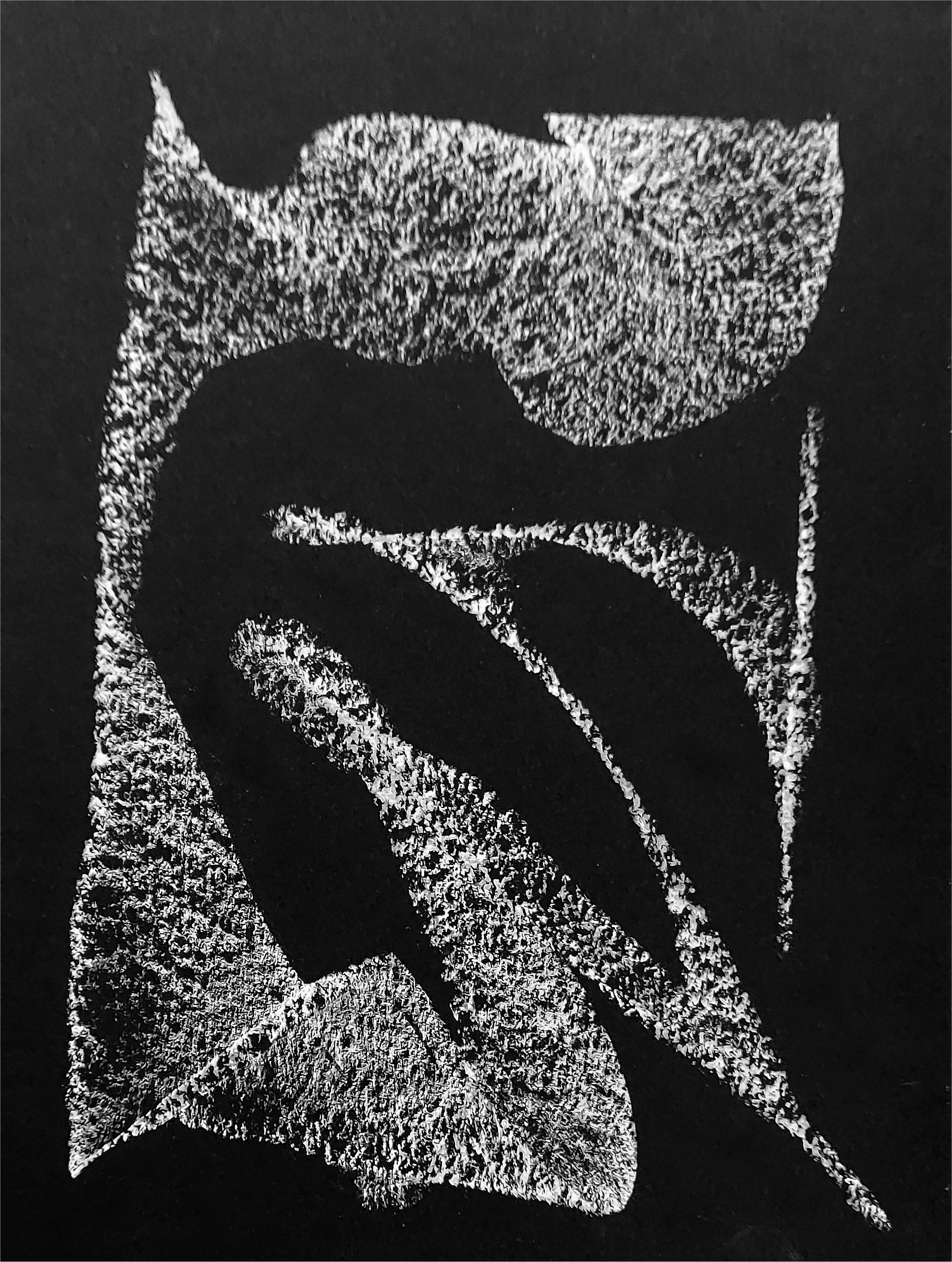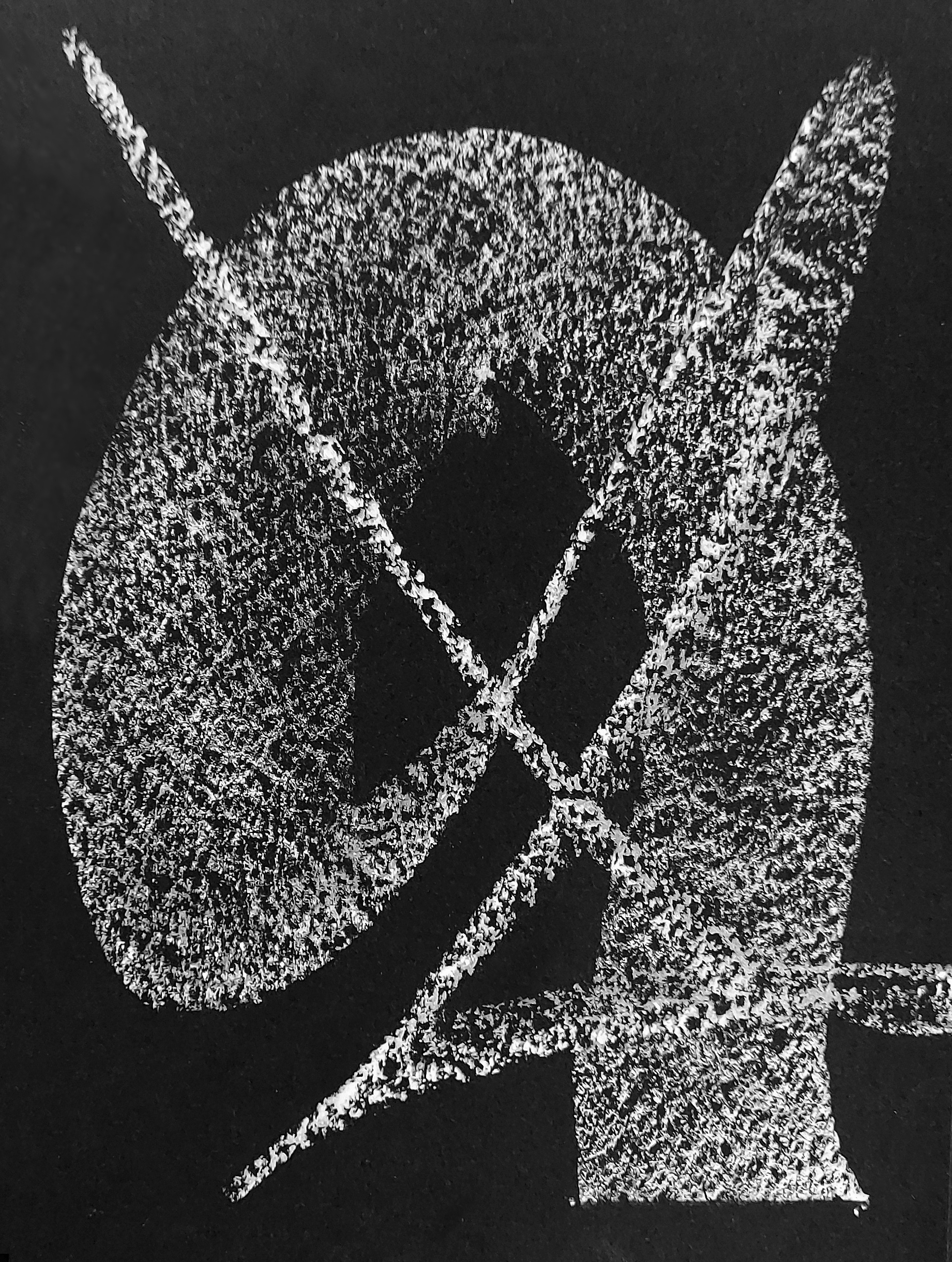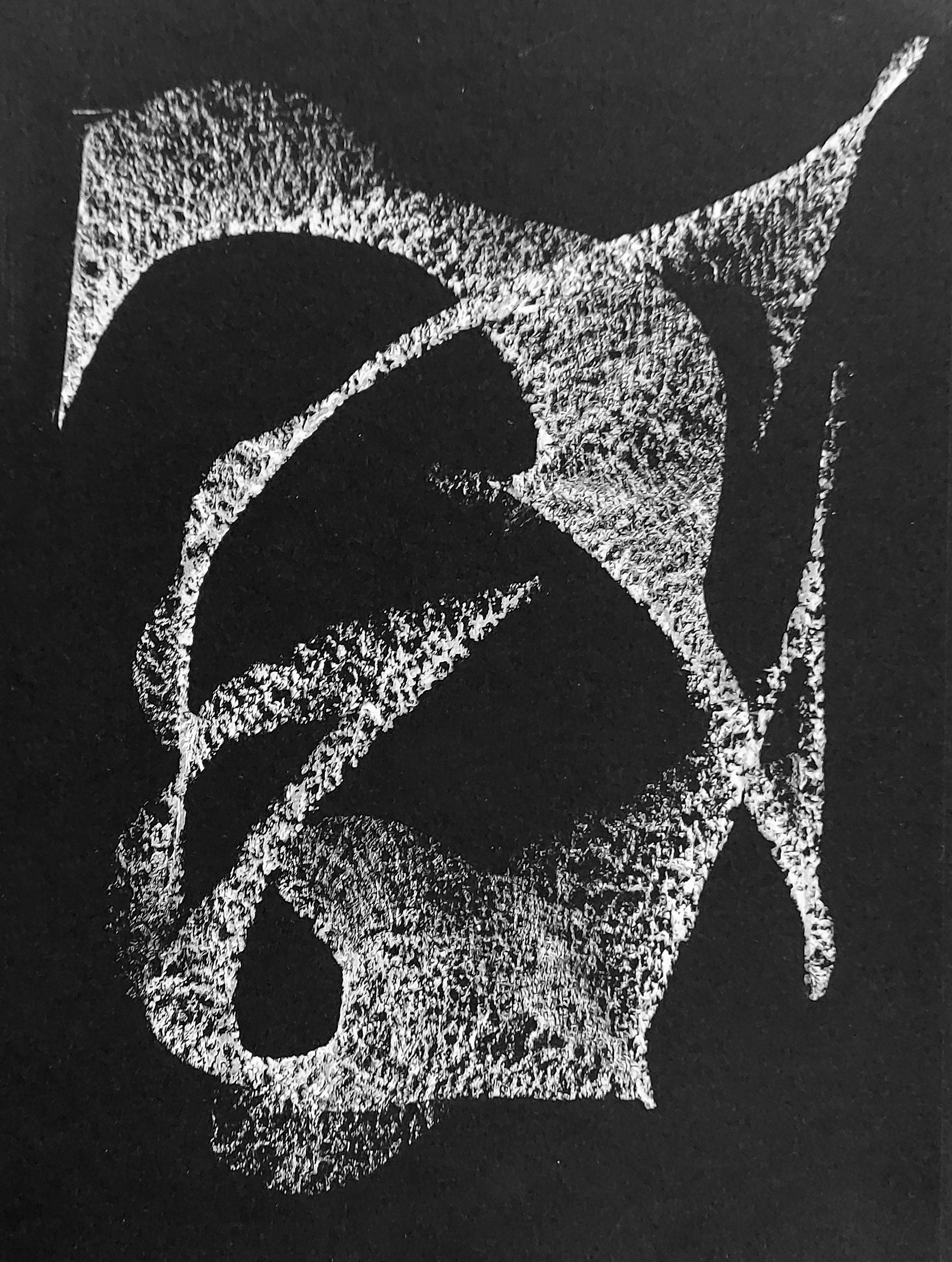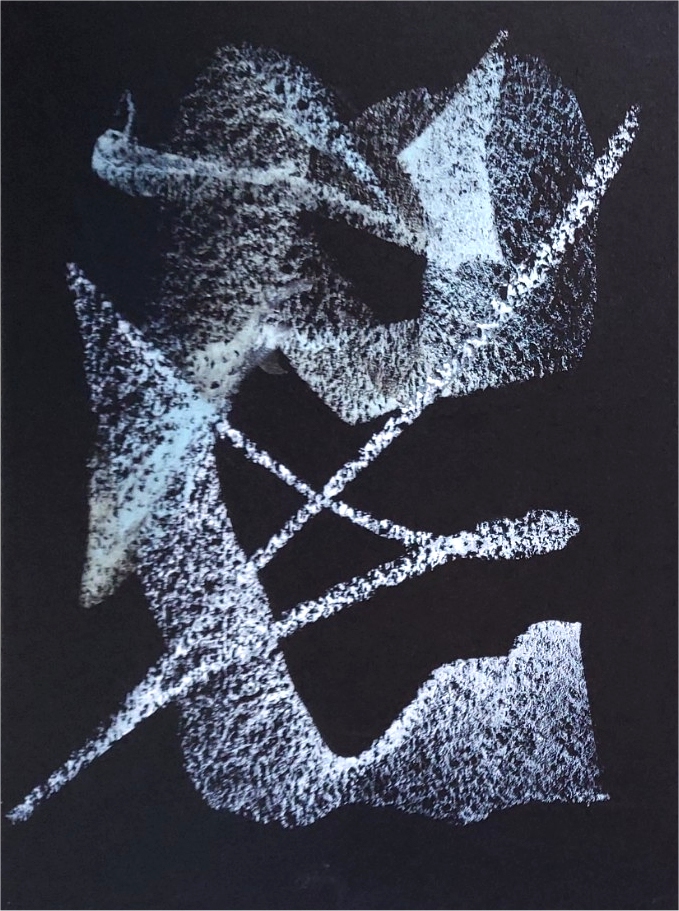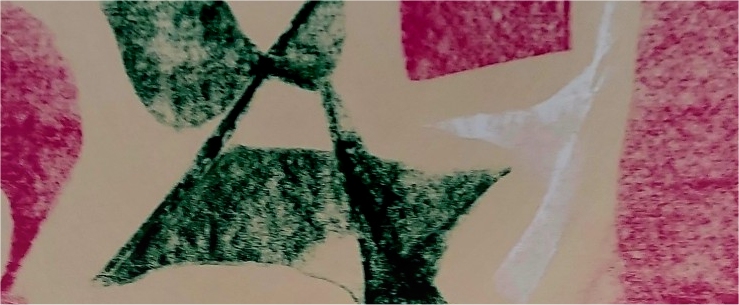
Nameless Number Sixteen is the first retained 21 × 27-inch artifact in the sequence, recording enlargement, severe UArt substrate response, and a separately documented white-pastel intervention.
Nameless Number Sixteen marks the first retained expansion of Somacentric Trajectilery into a 21 × 27-inch field. The enlarged support allowed longer vectors, wider arcs, and more spatially separated collisions, extending the record from the mechanics of the hand and wrist toward the shoulder, torso, changing leverage, and whole-body approach.
The material encounter was unusually demanding. Paul Rubens Jumbo oil pastel moved across UArt 400, an abrasive support designed primarily for dry pastel. The medium skidded, caught on the surface, accumulated on its peaks, and left broad voids between deposits. These were not failures of the trajectile. They were direct records of limited contact, frictional overload, pressure, angle, velocity, and substrate resistance.
The finished artifact organizes these conditions through three distinct chromatic roles. Magenta expands into broad territorial masses; green cuts, braces, and ties the field; and a restrained white Sakura trajectory occupies the upper-right region as a later intervention. Despite interrupted deposition and visible substrate, the structure remains trajectorial rather than resolving into a painted arrangement.
The work is supported by a 92-second recording of the principal execution and a separate 33-second recording of the white Sakura addition. This evidence distinguishes the primary event from a post-genesis intervention and preserves sequence, timing, bodily entry, and duration of contact.
Number Sixteen became a material bifurcation point in the early archive. UArt was retained for future dry-pastel investigation, while Paul Rubens oil pastel was redirected toward supports more compatible with wax-oil media. The artifact therefore records both the first large-format threshold and the moment when material pathways within the discipline began to separate.