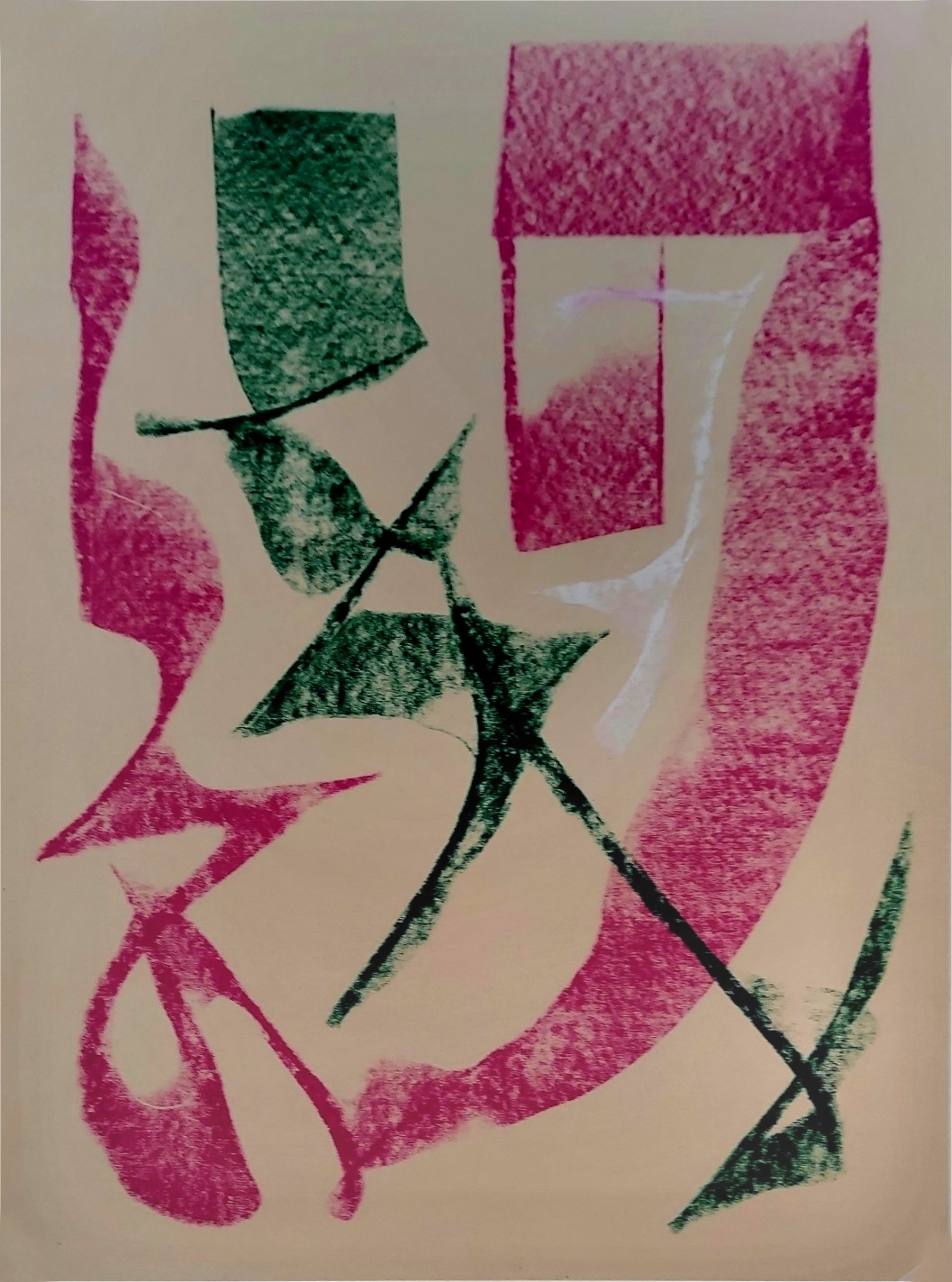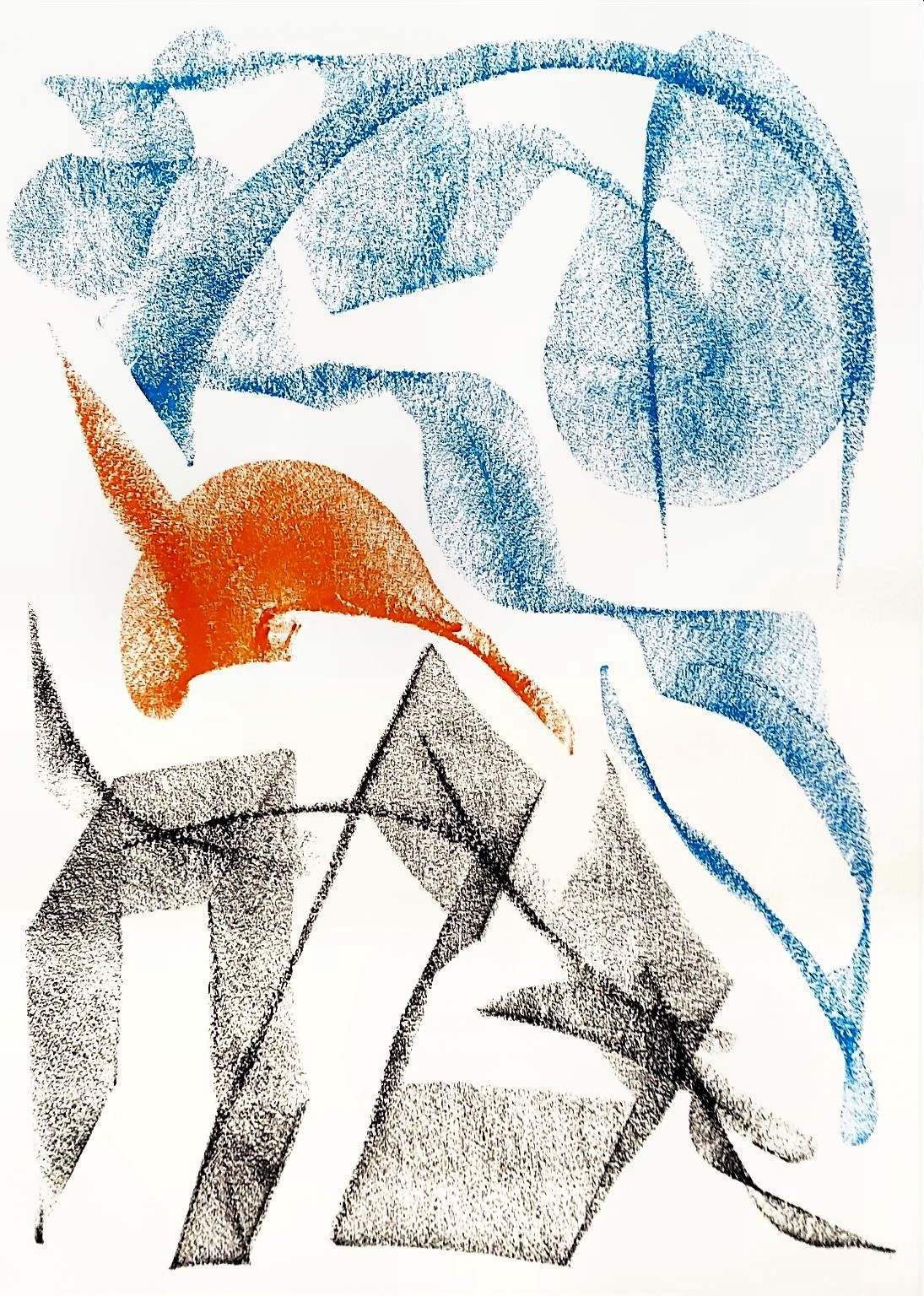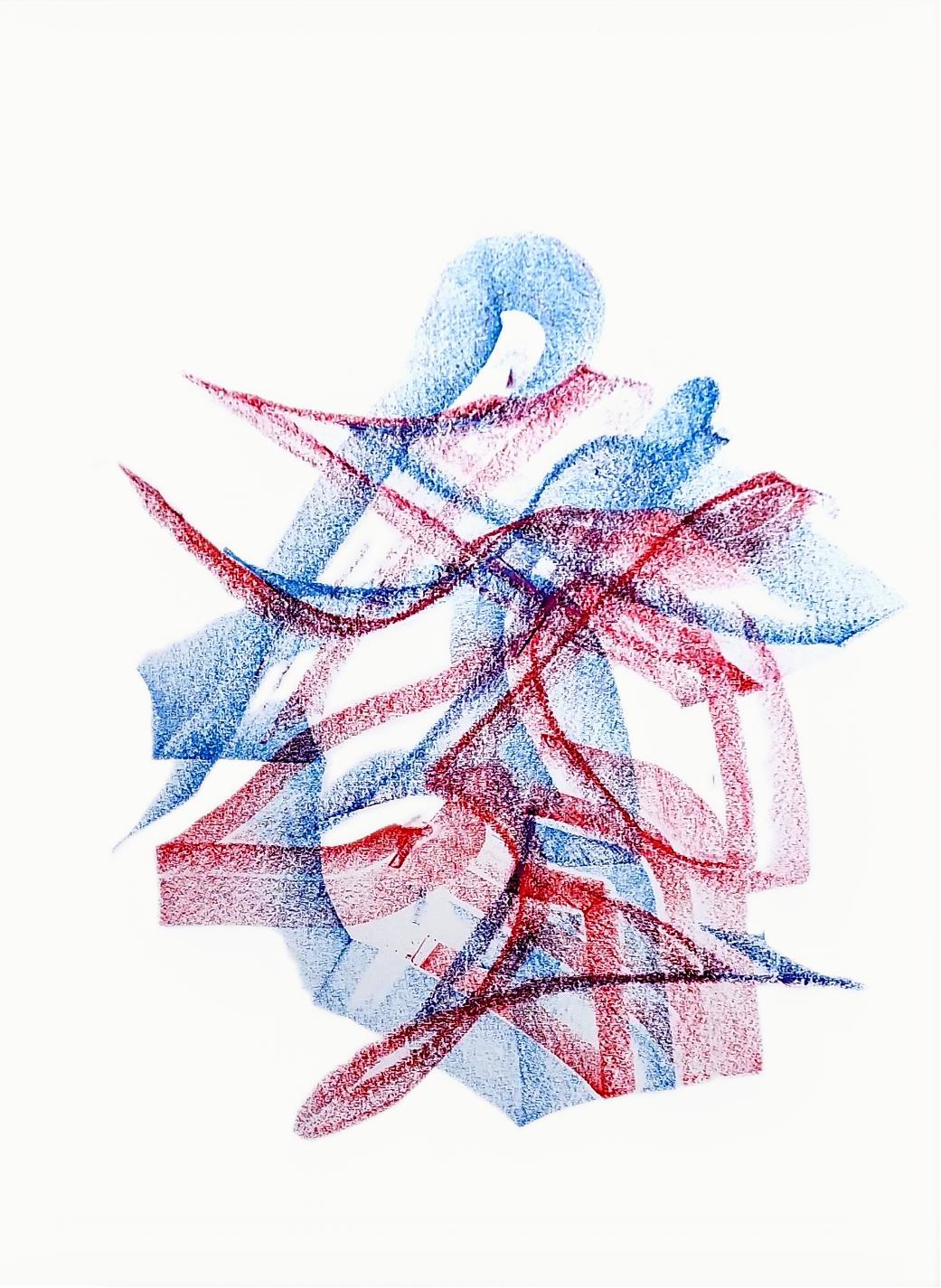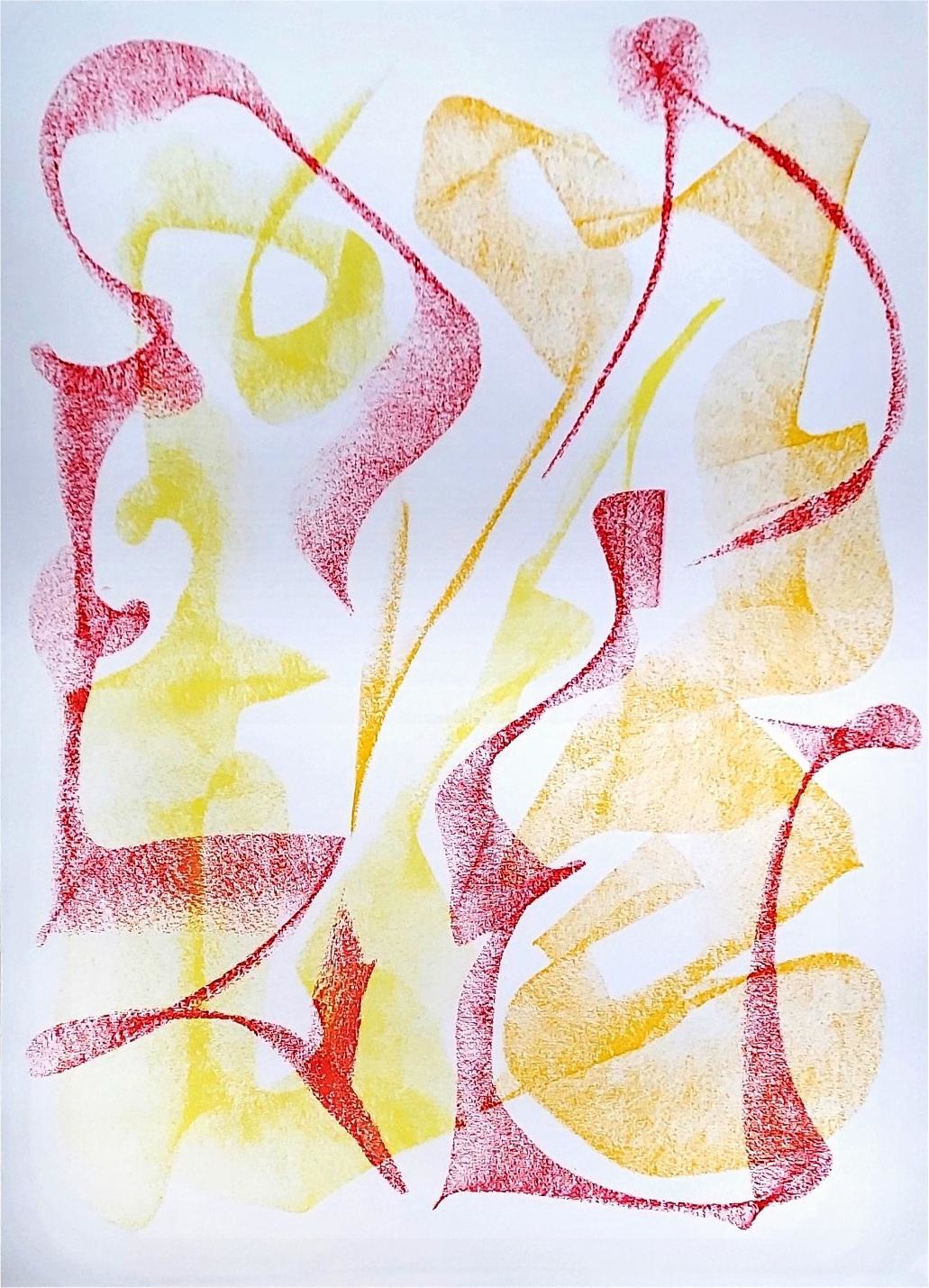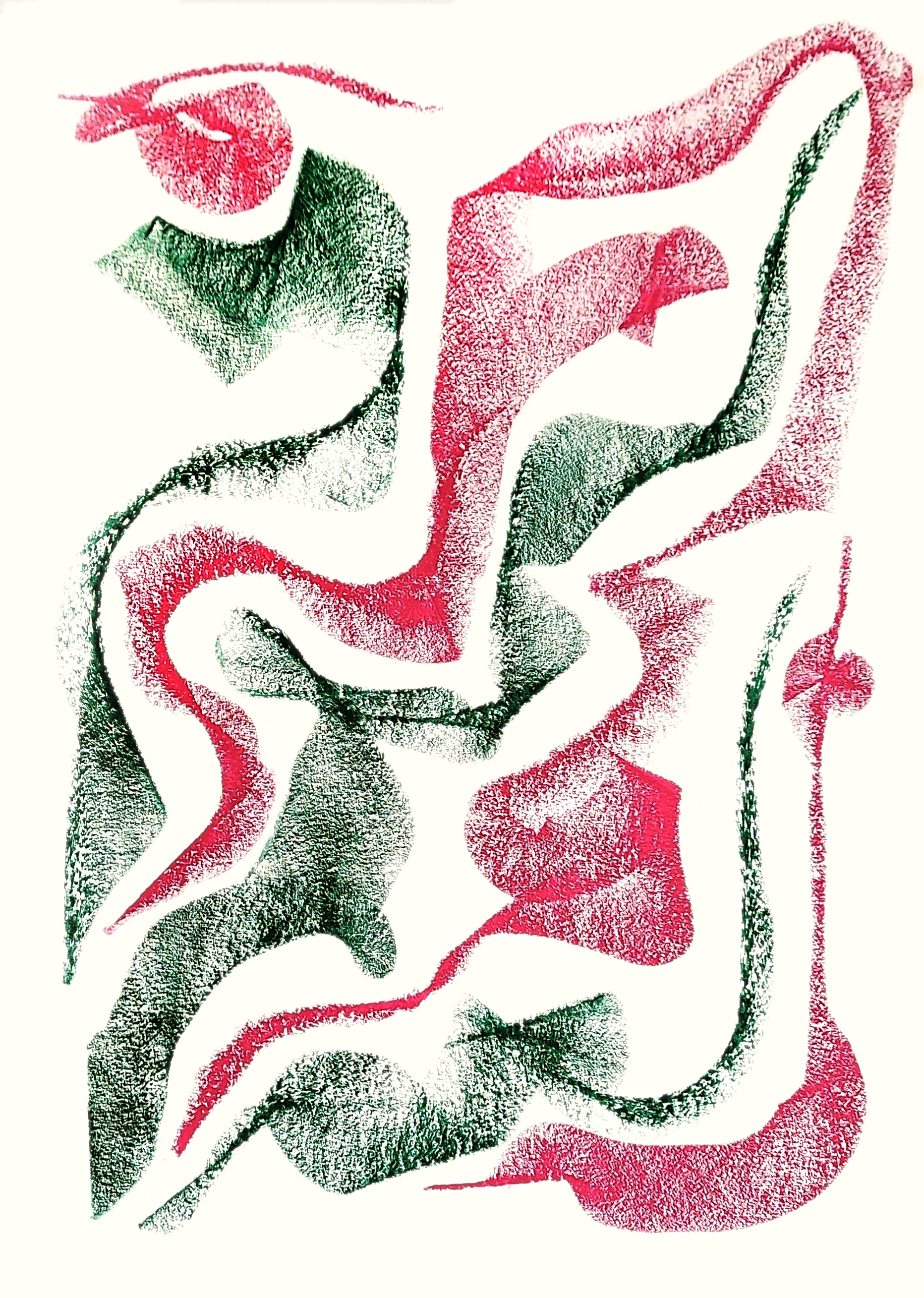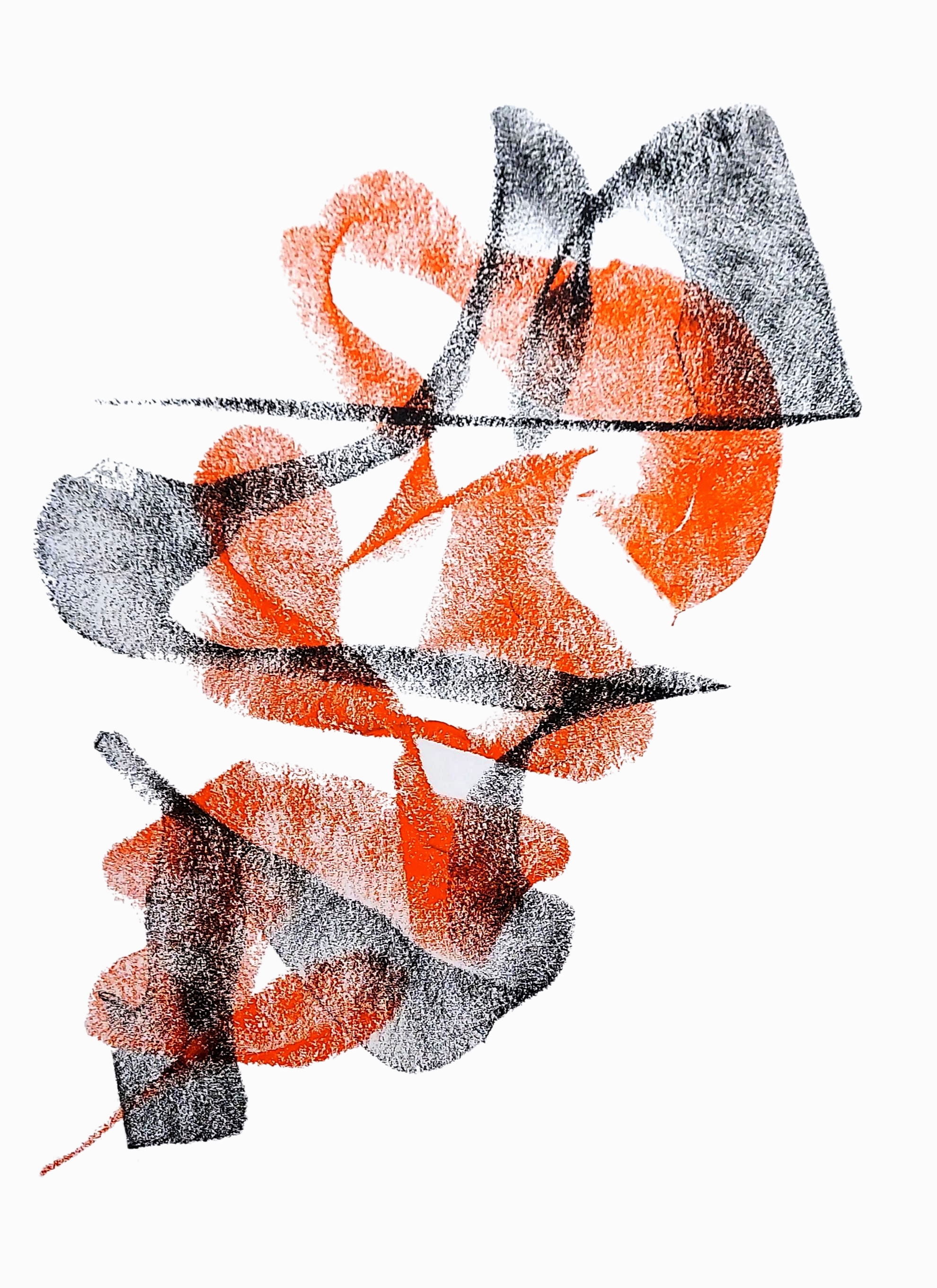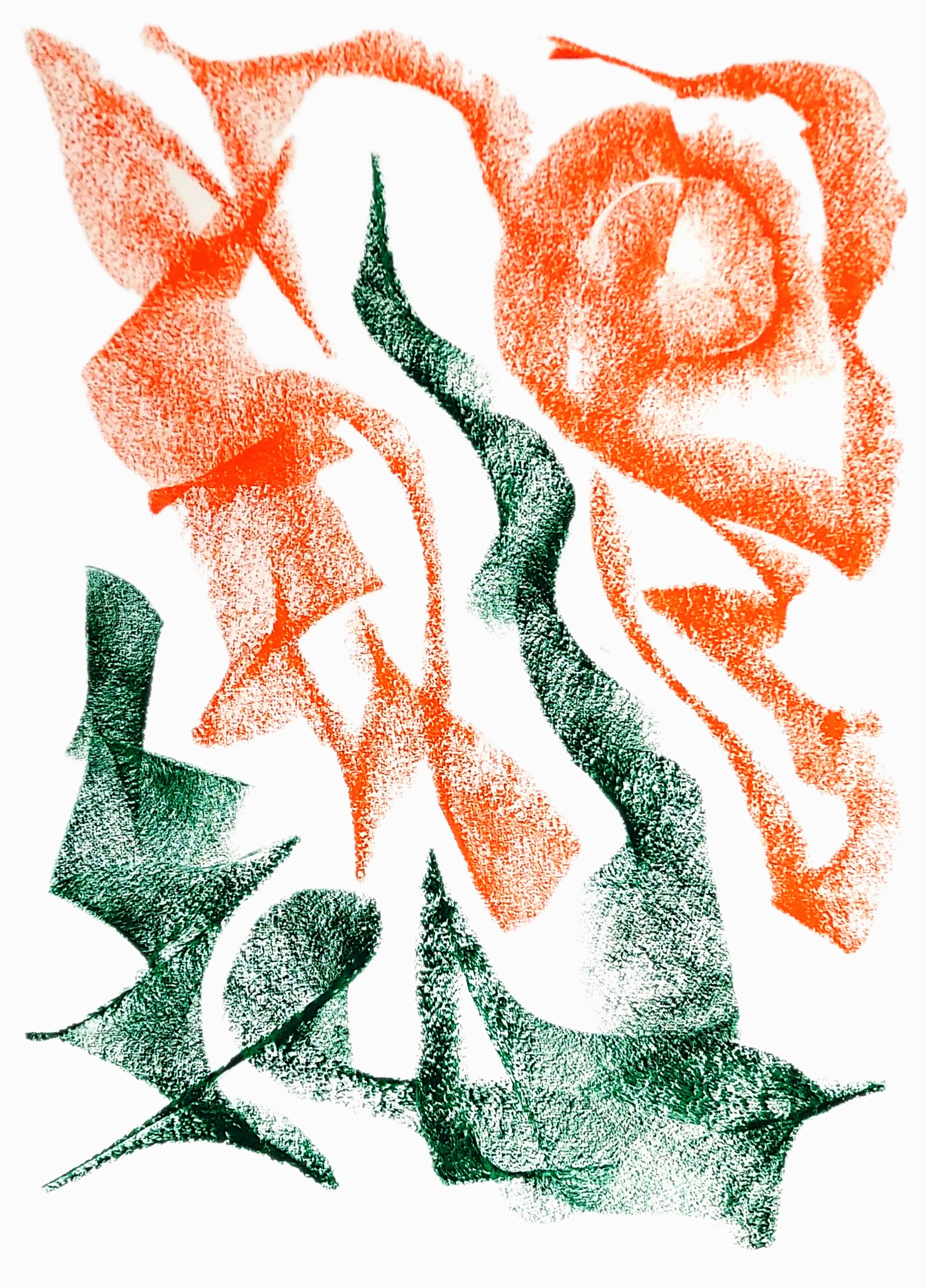
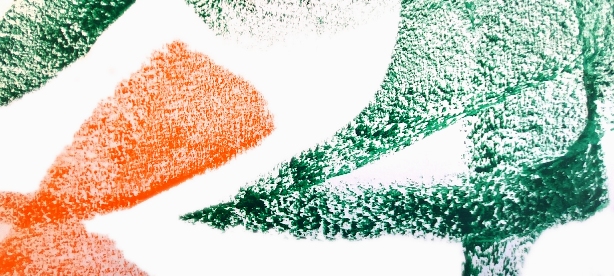
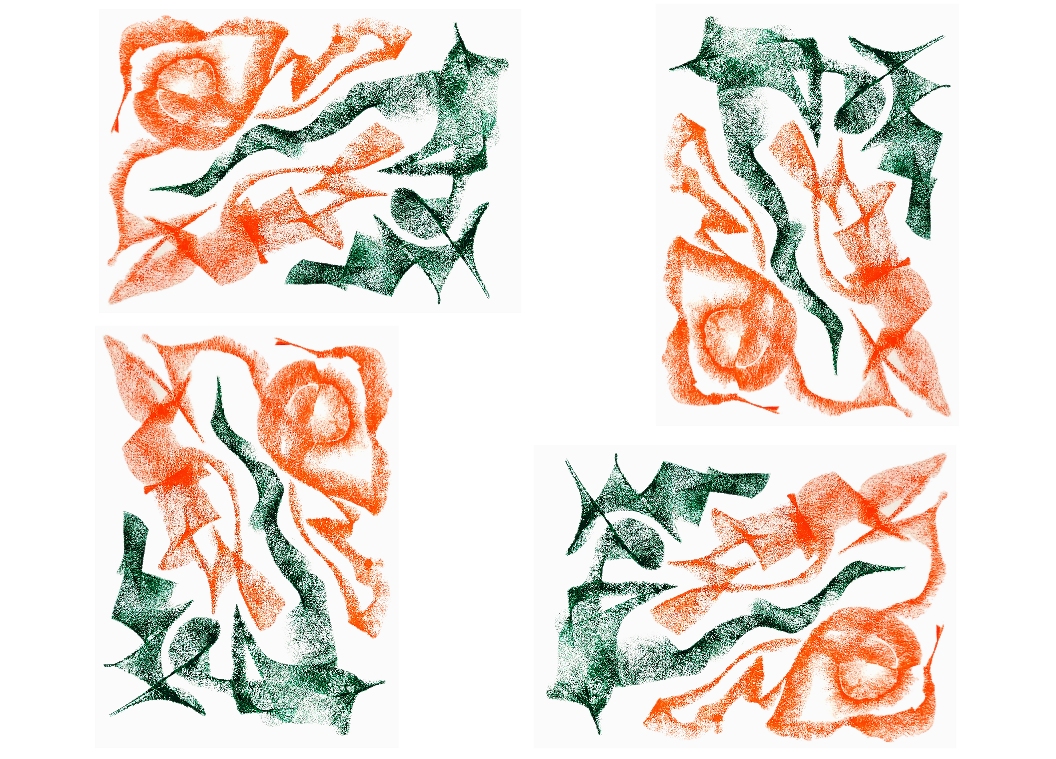
Nameless Number Twenty Three closes the documented Canson XL / Paul Rubens material sequence within Somacentric Trajectilery. During execution, a Paul Rubens Jumbo oil pastel fractured, but the trajectile continued through the changed tool state; the separated fragments remained active and produced a distinct circular deposition. The work records a historical endpoint of one recording configuration, not a failure or conclusion of the discipline.
The work closes the documented Canson XL / Paul Rubens material sequence within Somacentric Trajectilery. In this discipline, the trajectile is primary while medium, substrate, and tool condition its material registration. Number Twenty Three records the point at which this particular recording configuration was brought to a close in the working chronology. Nothing failed; the discipline continued under other material conditions.
During the bodily event, a Paul Rubens Jumbo oil pastel fractured. The trajectile did not stop. The separated fragments continued as active recording contacts within the same event. The fracture remained accidental, but it became part of the recorded event rather than a reason for correction, restart, or rejection.
The changed contact state contributed to a circular deposition within the sheet. It was not designed in advance. It survives as the material trace of this particular convergence of force, friction, pressure, fracture, and continuing motion.
The title of the Critical Commentary refers to the exhaustion of this recording configuration within the working chronology. It does not claim that Canson XL paper or Paul Rubens Jumbo oil pastel had become physically incapable of recording anything further. The distinction is central: limitations or changes in the recording apparatus do not define the trajectile as failed.
Archival documentation preserves four valid orientations for Nameless Number Twenty Three. No single edge possesses an intrinsic claim to be the top. The material record remains fixed while its relation to gravity and the observer changes; its presentation is therefore orientation-independent.